Last updated on 2026-02-02















Program overview
The Graduate Certificate in Human Factors and Ergonomics is a one-year Ontario College Graduate Certificate program designed to equip students with essential knowledge and skills for assessing and designing safe and productive work environments. Students will learn to utilize various ergonomic tools, techniques, and technologies to enhance workplace safety and productivity. A key component of the program is the Capstone project, where students collaborate in teams to design, implement, and evaluate real-world industry solutions, guided by field experts. This program is offered at the Kitchener – Doon campus, starting in May 2026.
Program structure
The Graduate Certificate in Human Factors and Ergonomics is structured to provide a comprehensive learning experience over a one-year period, divided into two academic terms. The program is delivered in a hybrid format, combining both in-person and online learning to accommodate diverse learning preferences. Key features of the program structure include:
- Program Length: 1 year (2 academic terms)
- Capstone project that involves real-world applications
- Hybrid delivery method for flexible learning
This program is designed to prepare students for the challenges of creating ergonomic solutions in various work environments, ensuring they are well-equipped to enhance human system performance.
Featured Experiences
The Graduate Certificate in Human Factors and Ergonomics offers several unique experiences that enhance the learning journey:
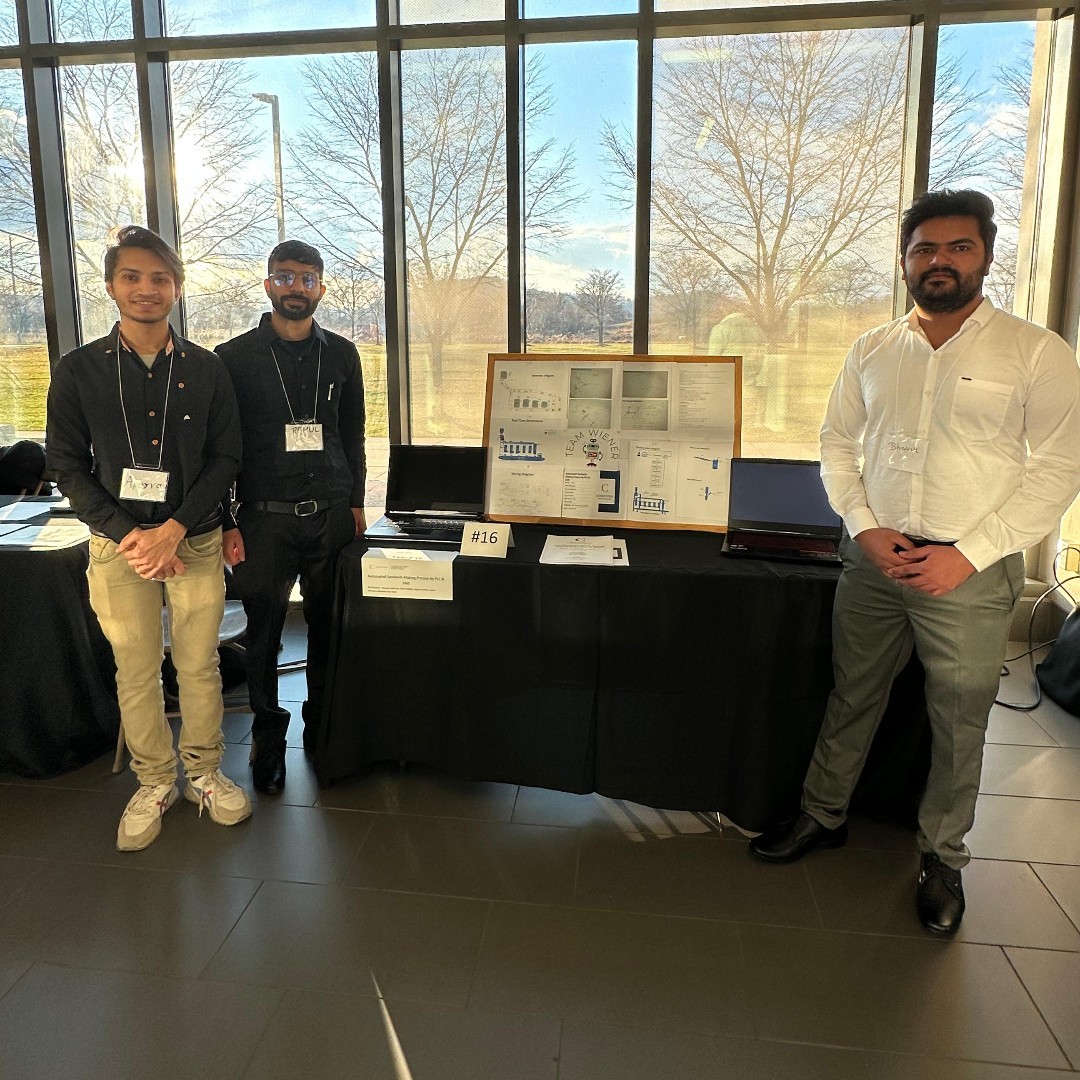
- Capstone project that allows students to work on real-world industry solutions.
- Collaboration with experts from the field to gain practical insights.
- Hands-on experience with ergonomic tools and technologies.
- Opportunities for teamwork and problem-solving in a supportive environment.
These experiences are designed to provide students with practical skills and knowledge that are directly applicable in the workplace, making them valuable assets in their future careers.
Career Options
Graduates of the Graduate Certificate in Human Factors and Ergonomics can pursue a variety of career paths in Canada. Here are some potential job options:
- Ergonomist: Specializes in designing workspaces and tools to improve comfort and efficiency for employees.
- Human Factors Specialist: Focuses on understanding how people interact with systems and products to enhance usability and safety.
- Workplace Safety Consultant: Advises organizations on best practices for maintaining a safe and healthy work environment.
- Product Designer: Works on creating user-friendly products that meet ergonomic standards and enhance user experience.
- Occupational Health and Safety Officer: Ensures compliance with health and safety regulations in various industries, promoting safe work practices.
These roles highlight the diverse opportunities available to graduates, allowing them to make significant contributions to workplace safety and productivity across various sectors.
DISCLAIMER: The information above is subject to change. For the latest updates, please contact LOA Portal's advisors.
Visit Conestoga College official website